
The Language of Discovery
How UGA’s Russian Flagship Program produces some of the university’s brightest scholars and why the rigor is exactly what draws them to it.

Stanley Dierkes couldn’t stop saying “awesome.”
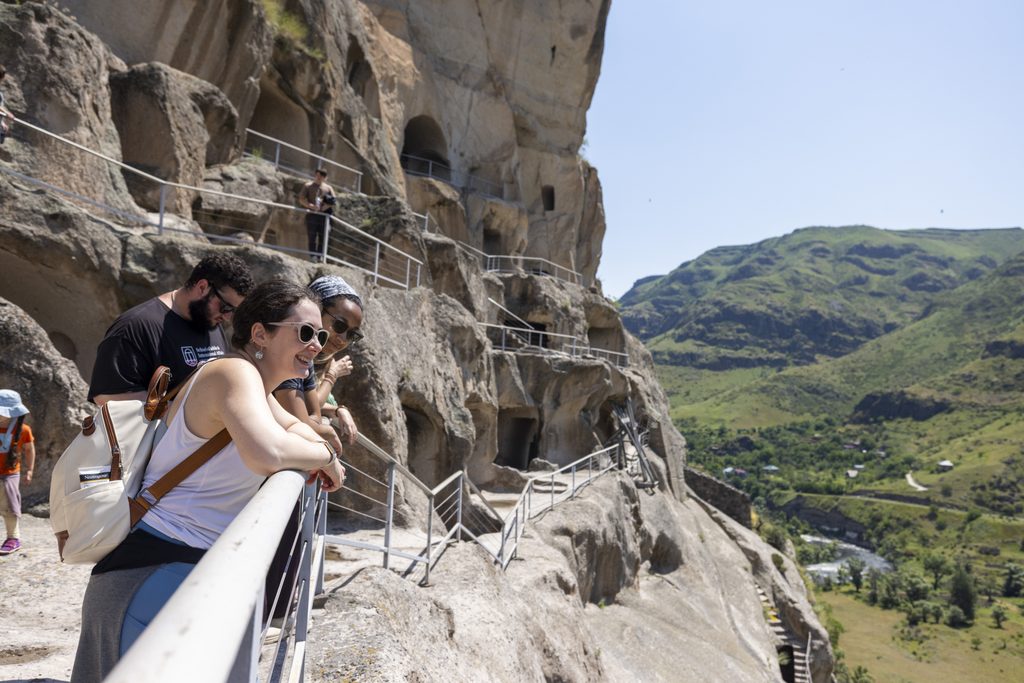
Before him, a breathtaking view of lush yet jagged mountains rising above the Mtkvari River. Towering behind him, the ruins of a cave complex carved into a cliffside some 800 years ago.
“The fact that they were able to build all of this without modern technology, I think that’s super awesome,” Dierkes says. “I’m just in awe of this place.”
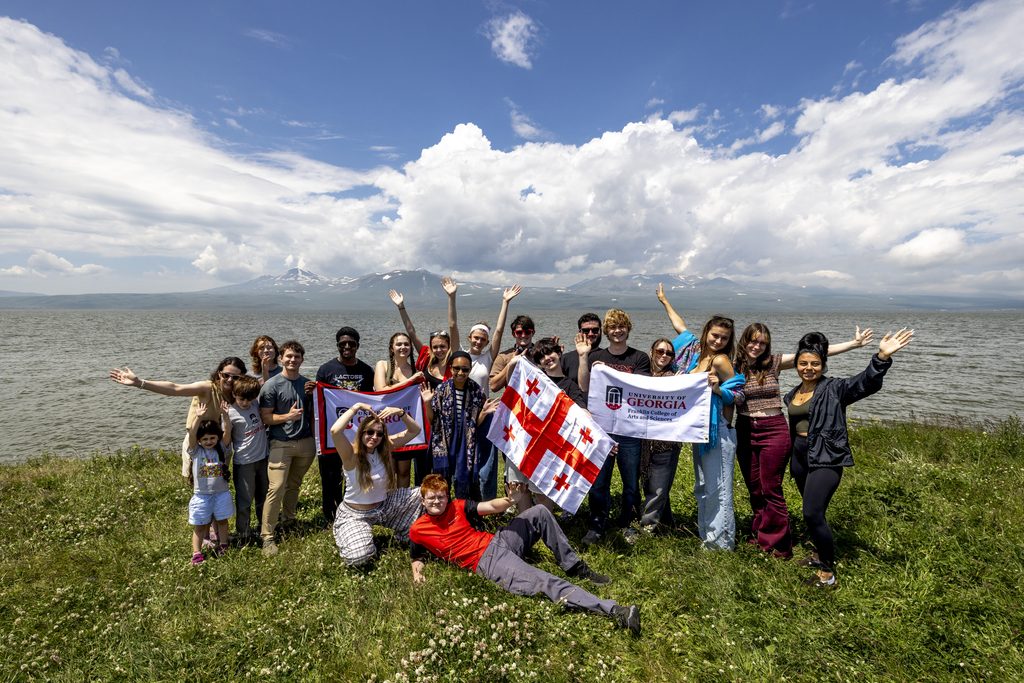
Dierkes was traveling over the summer with classmates in southern Georgia—not the Peach State, of course. This Georgia is an ocean and continent away from Sanford Stadium and the Arch, nestled between Russia, Turkey, and the Black Sea. Dierkes and his classmates were on a six-week mission to improve their Russian language skills. But they were also learning the history, culture, and politics of their surroundings, plus the limits of English vocabulary when surrounded by something so, well, awesome.
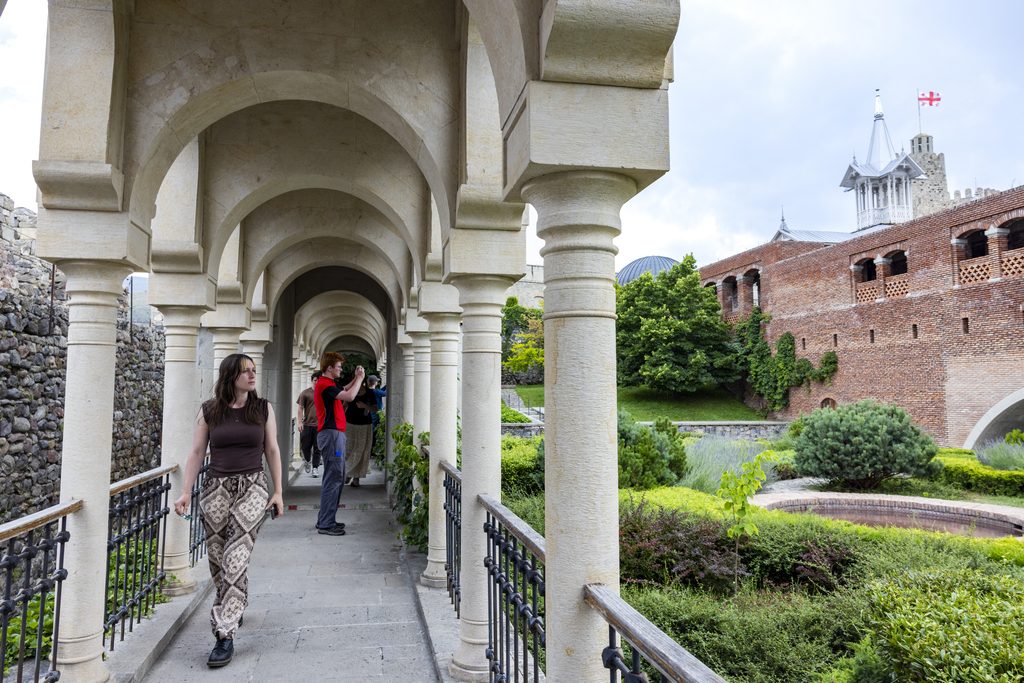
That morning, July 4, the cohort of 16 students, 12 from the University of Georgia, toured Vardzia, a fortress built by medieval Georgian rulers King George III and his daughter Tamar the Great. Over the centuries, Vardzia served alternately as a fortress and an Orthodox monastery. It would eventually be subject to Russian imperial and, later, Soviet rule.
Georgia has its own languages and rich history, but the nation is deeply intertwined with Russia in complex ways.
These students, however, are only at the beginning of their relationship with Russian studies. Most have just finished their first year in the University of Georgia’s Russian Flagship Program, an intensive four-year language program designed to train students to become proficient Russian-speaking professionals.
The Russian Flagship Program is one of the university’s academic crown jewels. The last two Rhodes Scholars from UGA, Mariah Cady AB ’24, AB ’24 and Natalie Navarrete AB ’23, AB ’23, AB ’23, were in the program. Other students in the program have received the prestigious Truman, Boren, Fulbright, and Critical Language scholarships.
National Security Interests
The Russian Flagship Program exists because of a national security need. U.S. defense, intelligence, and diplomacy depend on professionals who understand the language, culture, and political dynamics of other nations. After 9/11, the federal government prioritized critical language initiatives to ensure the U.S. had specialists who could speak languages tied to national security and identified Russian as a “critical” language.
Russian is the eighth-most spoken language in the world, and its importance is underscored by Russia’s disruptive influence on the world stage.
Most American students never approach fluency in a second language. Odds are even longer for Russian. Conventional undergraduate language programs can’t provide the 1,100 classroom hours that the State Department’s Foreign Service Institute estimates as necessary to work professionally in that language.
“Hours alone don’t close the gap, either,” says Victoria Hasko, an applied linguist specializing in second language acquisition. “It takes a curriculum. Built with clear proficiency targets, teaching that measures progress, and immersion at the right moment.”
“Every single UGA student who goes through the Flagship curriculum achieves advanced proficiency in Russian by the end of their senior year.”
Victoria Hasko, UGA Russian Flagship Program director
Hasko often hears students say something along the lines of: “I’m not good at learning languages. I spent four years learning Spanish in high school, and I can’t really speak Spanish.”
Those students aren’t bad at language acquisition, she says, they just haven’t been given the right opportunities. When she saw her opportunity to develop a curriculum to raise that ceiling in Russian through the Language Flagship program grant, she got to work.
With the pillars of intensive language exposure, community building, career readiness, and language immersion, Hasko developed a curriculum and secured funding to launch the Russian Flagship Program at UGA in 2018.
The UGA Russian Flagship Program is housed in the Department of Germanic and Slavic Studies within the Franklin College of Arts and Sciences. It’s funded by the Language Flagship, a public/private partnership sponsored by the National Security Education Program, and it is one of four Russian Flagship Programs nationwide.
UGA also hosts a Portuguese Flagship Program.
An Intense Start

In 2021, Mercedes Bengs AB ’25, AB ’26 was a high-achieving high school student in South Dakota looking for the best fit for college. She knew two things: 1) She was going to eventually join the U.S. Air Force to become a fourth-generation service member, and 2) she was going to learn Russian.
The Russian Flagship Program offers funding for students who enroll and demonstrate progress in their work, including stipends for course materials and travel. And Bengs learned that if she were in the Air Force ROTC and the Russian Flagship Program, she could receive additional funding. UGA offered both.
Students begin the program as freshmen (though there are opportunities to join later), and in their first year, they take a five-credit language course that meets Monday through Friday.
Bengs admits the first semester was a real challenge. She arrived in Fall 2021, when COVID-19 protocols were in place. So when she contracted the virus soon after arriving on campus, she spent her first few weeks learning the Cyrillic alphabet over Zoom from an instructor wearing a mask.
“It was a very 2021 moment,” she says. “It was a struggle initially, but the professors at UGA were fantastic and very supportive.”
Eventually, the daily repetition and faculty support paid off as Bengs began to get the hang of it.
Russian Away
But on-campus instruction can only take students so far, says Olga Thomason PhD ’06, the associate director of the Russian Flagship Program, noting that during the academic year, students’ attention is divided among several classes and different disciplines.
Study away programs, she says, offer immersive experiences and the opportunity to really dive into a language.
For better or worse, a trip to study Russian in Russia isn’t an option right now, given the geopolitical situation. The U.S. State Department has issued a Level 4 Travel Advisory— “Do Not Travel”—for the country.
Instead, the UGA Russian Flagship Program has found other opportunities.
Students who complete their first year in the program are encouraged to consider two such immersive opportunities.
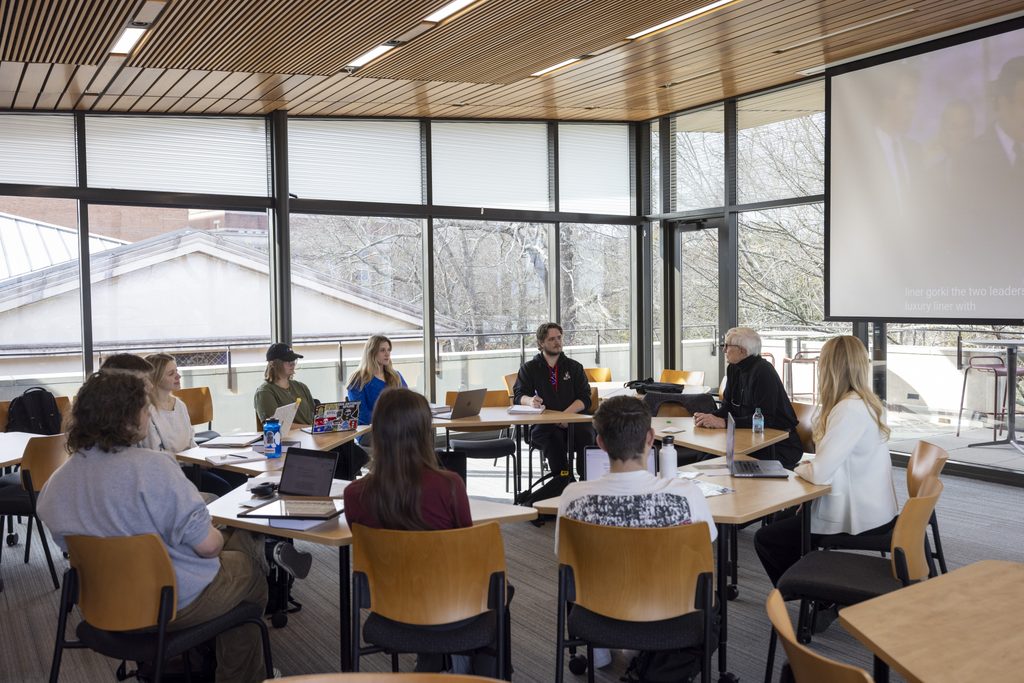
Hawaii, a not-so-obvious location for learning Russian, has advantages that make it a rigorous Russian-language experience for UGA students. UGA students live and learn on the University of Hawaii at Manoa’s campus; take language classes for several hours daily and more for tutoring; and go on excursions to sites such as Pearl Harbor and the Dole Plantation (with Russian-speaking guides).
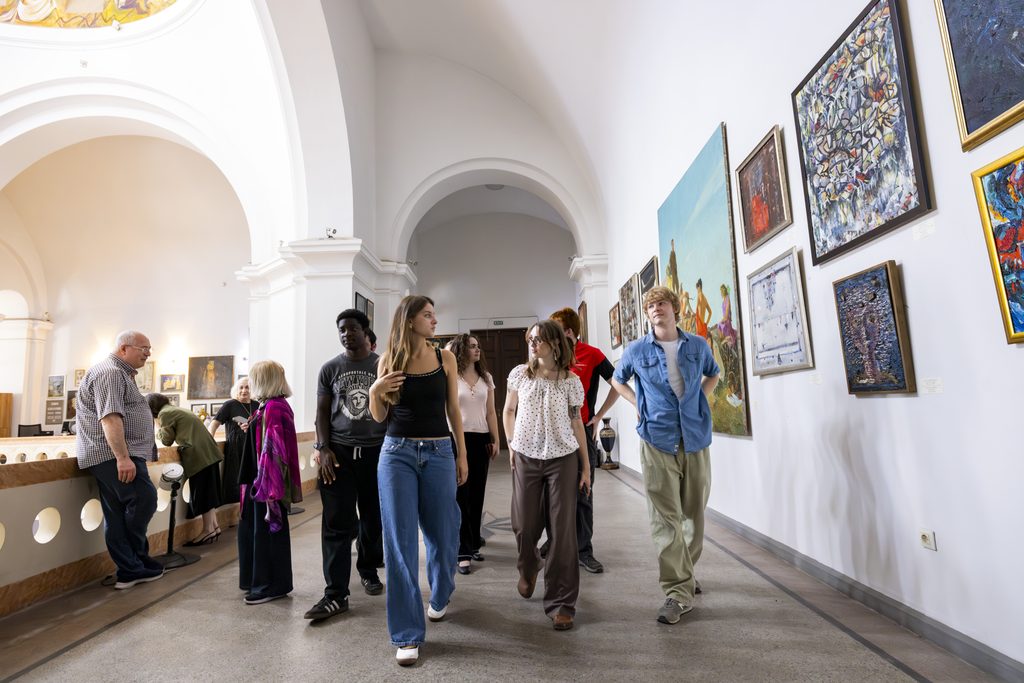
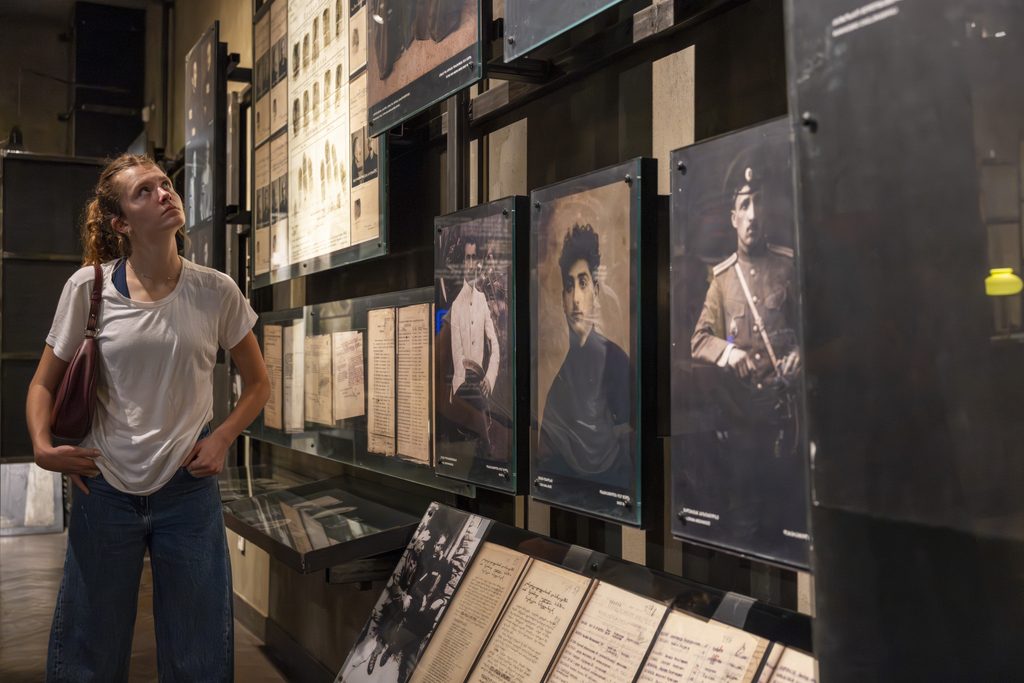
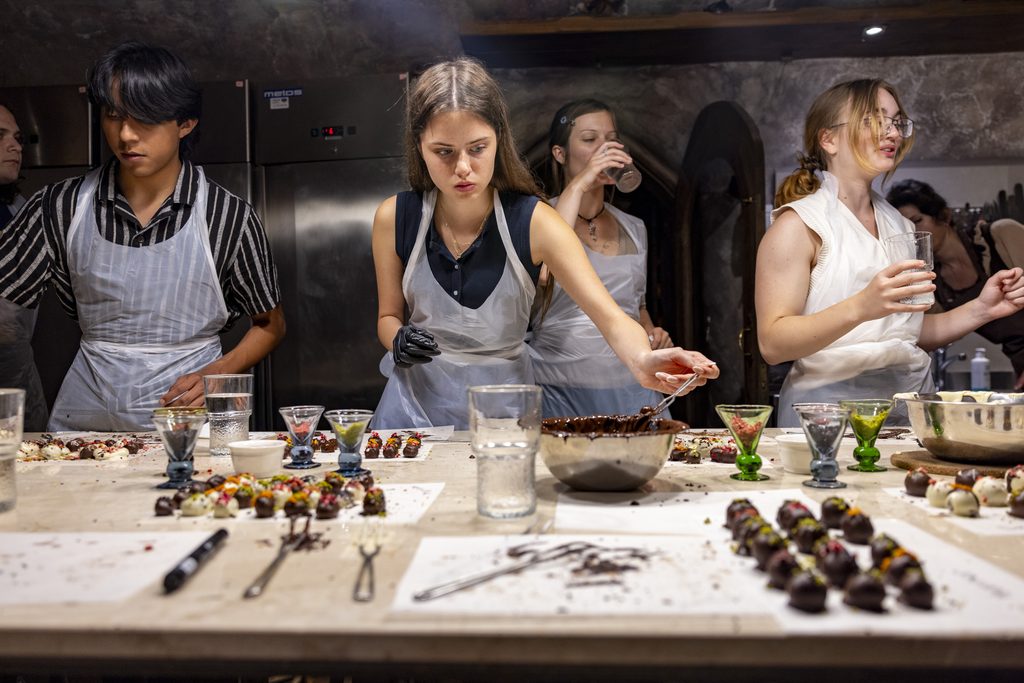
Students who want to dive straight into an international experience can travel to the Caucasus with a six-week trip to Armenia and Georgia through the UGA Department of Germanic and Slavic Studies. Although not officially a Russian Flagship trip, most of the students who participate are affiliated with the program.
Through daily language courses and interactions with local Russian-speaking communities, students begin to level up their language skills.
Bengs, who spent her first summer in Hawaii and another in Latvia, says, “Over the summer, I felt like I was making the most gains because it was really just isolated Russian study. I was only focusing on speaking Russian as much as I possibly could, and it was hammering in just the sheer repetition of it.”
Cultural Expertise
If language proficiency is the primary goal of the Russian Flagship Program, then cultural fluency is close behind.
“We want students to have deep cultural expertise,” Hasko says. “We want them to develop a complex, nuanced understanding of the Russian-speaking world, which extends far beyond Russia to the many countries and communities in which Russian is spoken.”
Students who travel to the Baltics after their second year have ample opportunity to experience new cultural dynamics while living with host families over the summer.
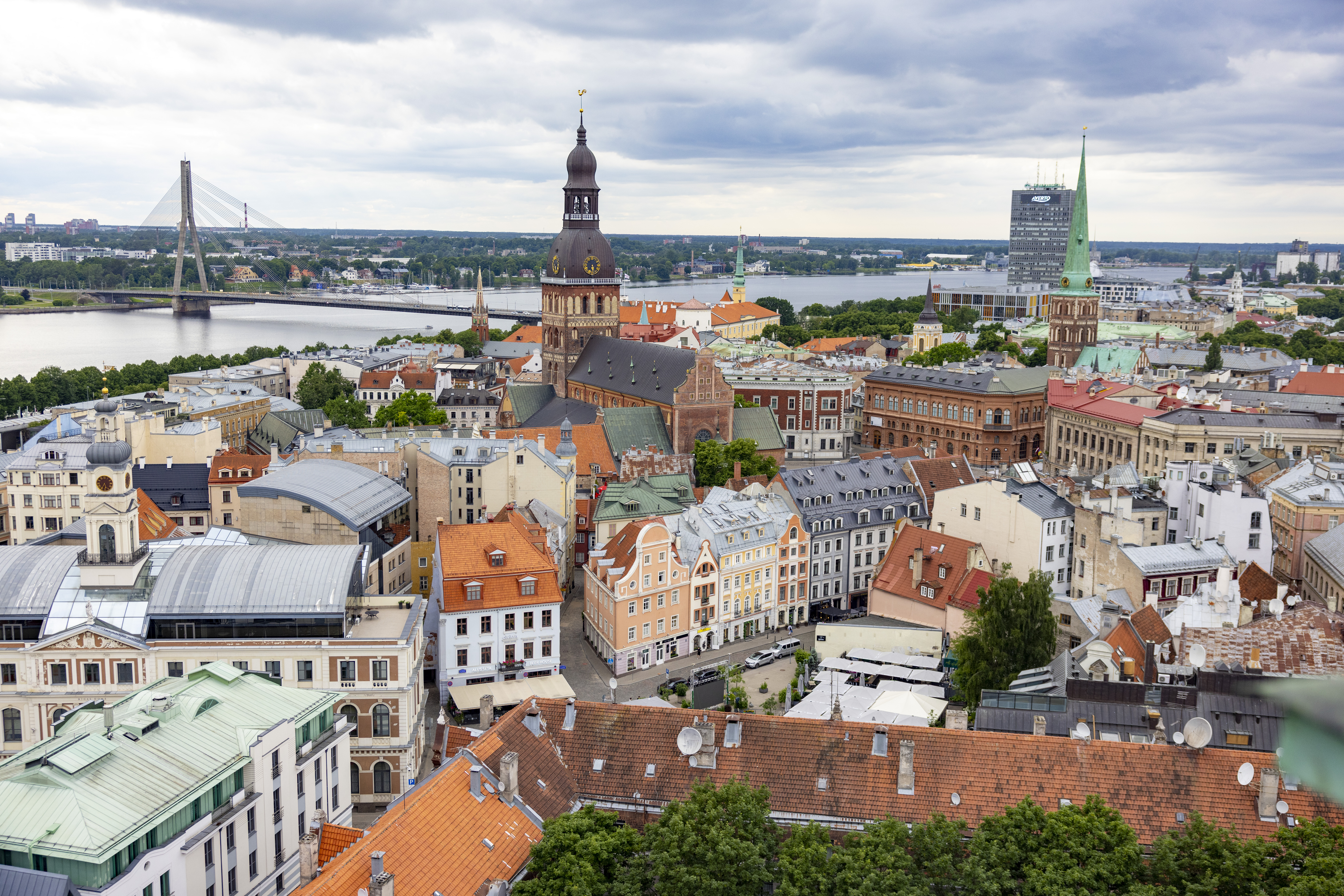
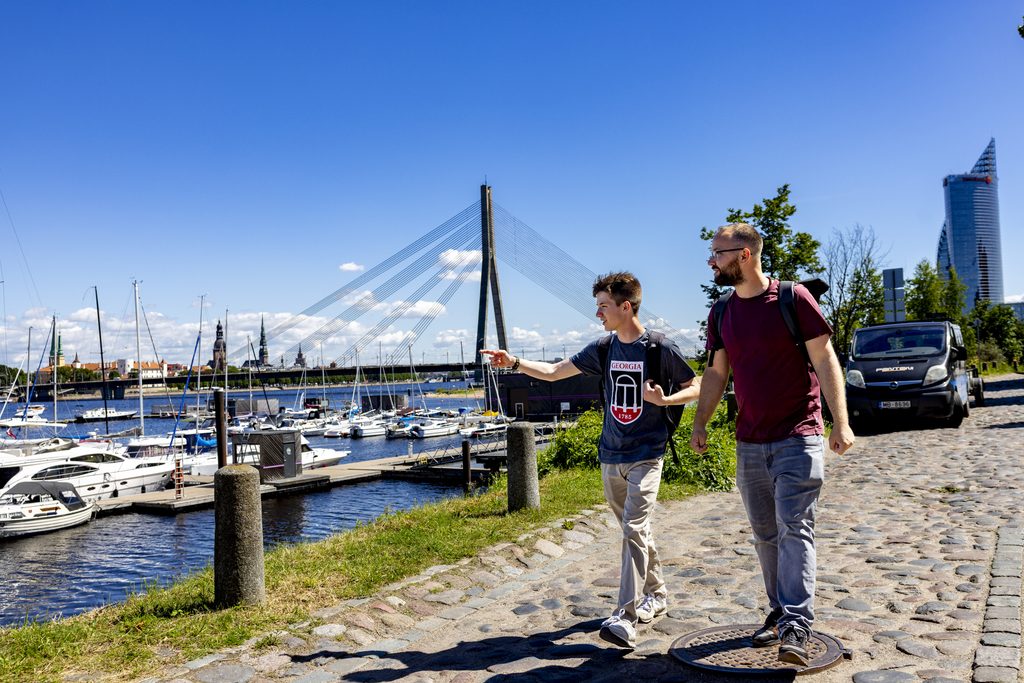
The Baltic program is centered in Latvia’s capital, Riga. Latvia itself has a long history of Russian rule, most recently under the Soviet Union.

Students begin their summer in comfort, staying at a beach resort on the Bay of Riga, as they acclimate to a new country. But the beach stay is short-lived. Each student is assigned a host family, and they board a bus that crisscrosses Riga, as each student is dropped off at their new home to meet their local Russian-speaking hosts.
Some end up in suburban houses with backyards; some in Soviet-era flats. Some hosts have nuclear families with children; others are single host “moms.” Nearly all are ethnic Russians; many of the hosts don’t speak fluent Latvian, much less English.
Ryan Zapatka’s host mother last summer, Tatjana, lives in a small apartment on the fourth floor of a nine-story Soviet-era walk-up. Her adult children moved out some time ago.
Tatjana is a former educator who still loves to teach. And for the summer, Zapatka was her pupil. Most evenings, after a full day of classes and other activities, Zapatka would sit at a table in a compact sunlit kitchen as Tatjana stuffed him with traditional Russian home cooking and tested him with everyday conversation in Russian. Since Zapatka’s Russian was still at an intermediate level, he joked that she talked to him like he was 5.
But in addition to the language growth, each conversation and interaction with his host mother became a lesson in Russian hospitality (even if they were in the Baltics) and an opportunity to understand a completely different worldview.

Work Ethic and Careers
Hard work and persistence are consistent themes when students talk about the program’s rigorous curriculum.
Cristian Paez, who is majoring in international relations, political science, and Russian, says, “If you do the work, you’re going to do great because the professors are here to help you and support you.”

And it shows. Hasko says, “Every single UGA student who goes through the Flagship curriculum achieves advanced proficiency in Russian by the end of their senior year.”
The most dedicated students are working toward the Russian Overseas Flagship Capstone to study in Almaty, Kazakhstan, which Hasko calls the most selective and rigorous overseas Russian-language program. Students travel to Kazakhstan’s most populous city—where Russian is widely spoken—continue their language studies, and get internships that use their Russian skills.
Bengs, who was awarded a Truman Scholarship for graduate education and a Boren Scholarship (see box below), completed the capstone year in Kazakhstan in the spring.
Five years later, after struggling through her first semester of Russian, she is rated a “superior level” Russian speaker, meaning she has the professional language command that the State Department expects of its diplomats. Bengs is now pursuing a master’s in global studies at the University of North Carolina at Chapel Hill and plans to use her language skills and cultural insight to become an Air Force intelligence officer.
Boren Scholars
Each year, the federal government awards the highly competitive Boren Scholarships to undergraduate students for critical language study abroad opportunities. Scholars receive “noncompetitive eligibility,” making it easier to land a federal job.
This spring, eight students in the Russian Flagship Program were awarded Boren Scholarships and selected for the Flagship Capstone in Kazakhstan. They were among 18 UGA students named Boren Scholars, making UGA the top-performing institution for the award.
Transformative Experiences
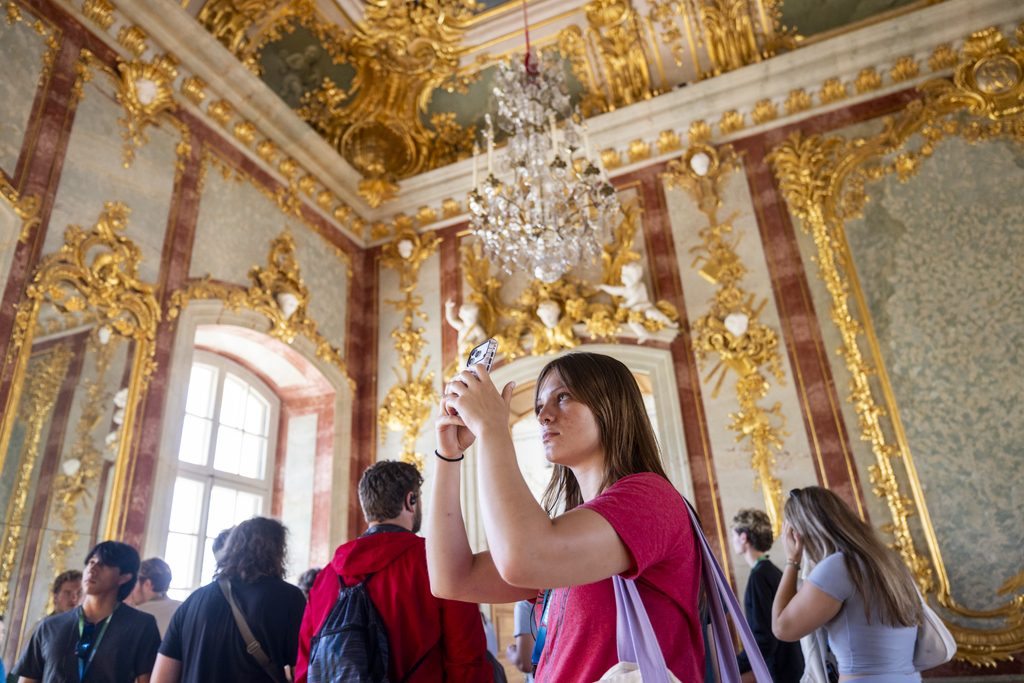
Elle Jones, a third-year Russian and anthropology major, had just toured the majestic Rundale Palace in southern Latvia—a sprawling Baroque estate that had been the home of Russian nobility, been occupied in its time by the Napoleonic army and Nazi troops, and even served as a Soviet school. After the experience, Jones recounted how she found herself among such history. Latvia had never been on her traveling bucket list before the Russian Flagship Program.
The journey began, she says, with funding opportunities for study abroad scholarships and other resources.
“I said, ‘Sounds good. Sign me up.’ And now I’m in Latvia,” Jones says.
And while the funding helps, Jones says, the opportunities to travel, to explore, to experience have kept her motivated.


“I love that point when the students start realizing that not everyone is the same.”
Alexandra Shapiro, senior lecturer
Jones went to the Caucasus in 2025 and the Baltics in 2026.
“The program essentially says, ‘Go experience this.’ So, I approached these trips with a very open and accepting mind.”
That openness, she says, led to eye-opening conversations with her host family about politics and identity.
“My host mom identifies strongly as Russian, even though her family has lived in Latvia for generations,” she says. “That challenged some of my assumptions as an American. The understanding of national identity and ethnicity is so different than the way we think about it.”
These moments are what the program is all about, says Alexandra Shapiro, a senior lecturer in UGA’s Russian Flagship Program and co-lead for the summer trips to Armenia and Georgia with associate professor Sasha Spektor.
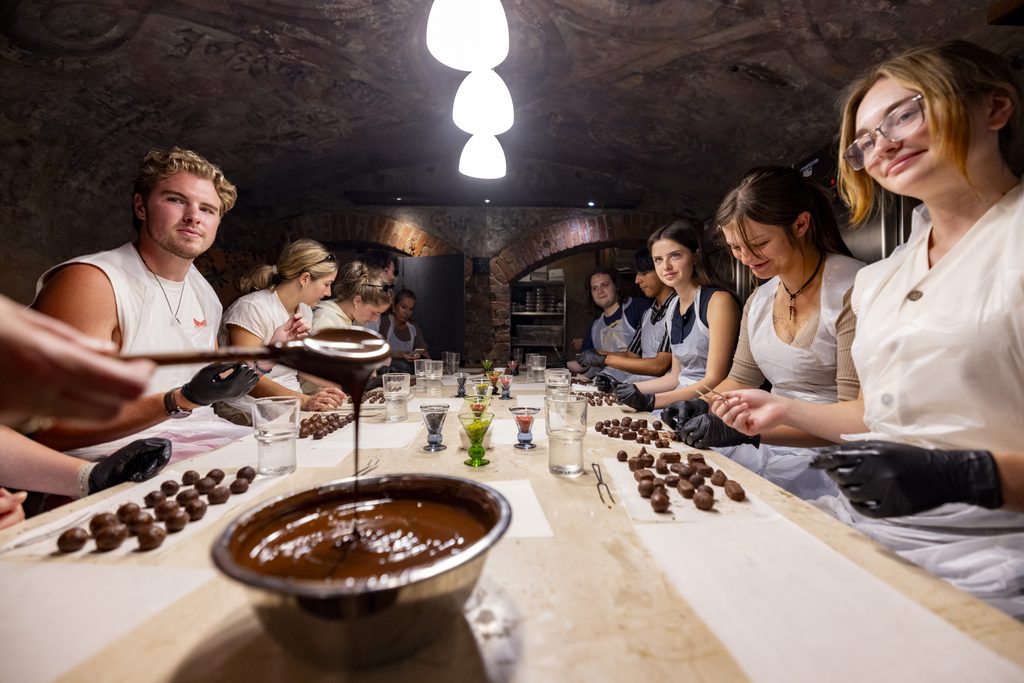
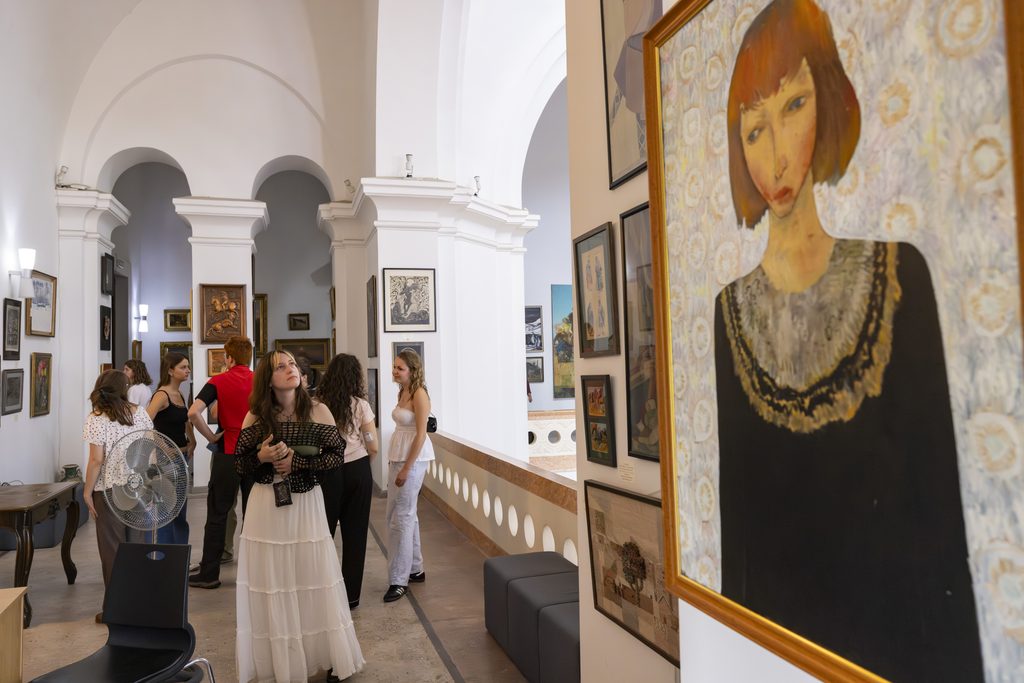
“I love that point when the students start realizing that not everyone is the same,” Shapiro says. “There’s a lot of benefit to taking students out of their comfort zone and showing them a whole world out there that does not live with the same standards that we’re used to living.”
These discoveries not only advance these students’ abilities to work on the international stage one day, Shapiro says, but also affect them as individuals.
“It helps them open their minds to a lot of the rest of the world and, ultimately, become a more rounded person.”



Videography: Krista McKinney
Photography: Dorothy Kozlowski
Design by: Kaiya Plagenhoef
Written by: Aaron Hale