
On Assignment at the World Cup
Grady College students report on the world’s largest sporting event for national media outlets.
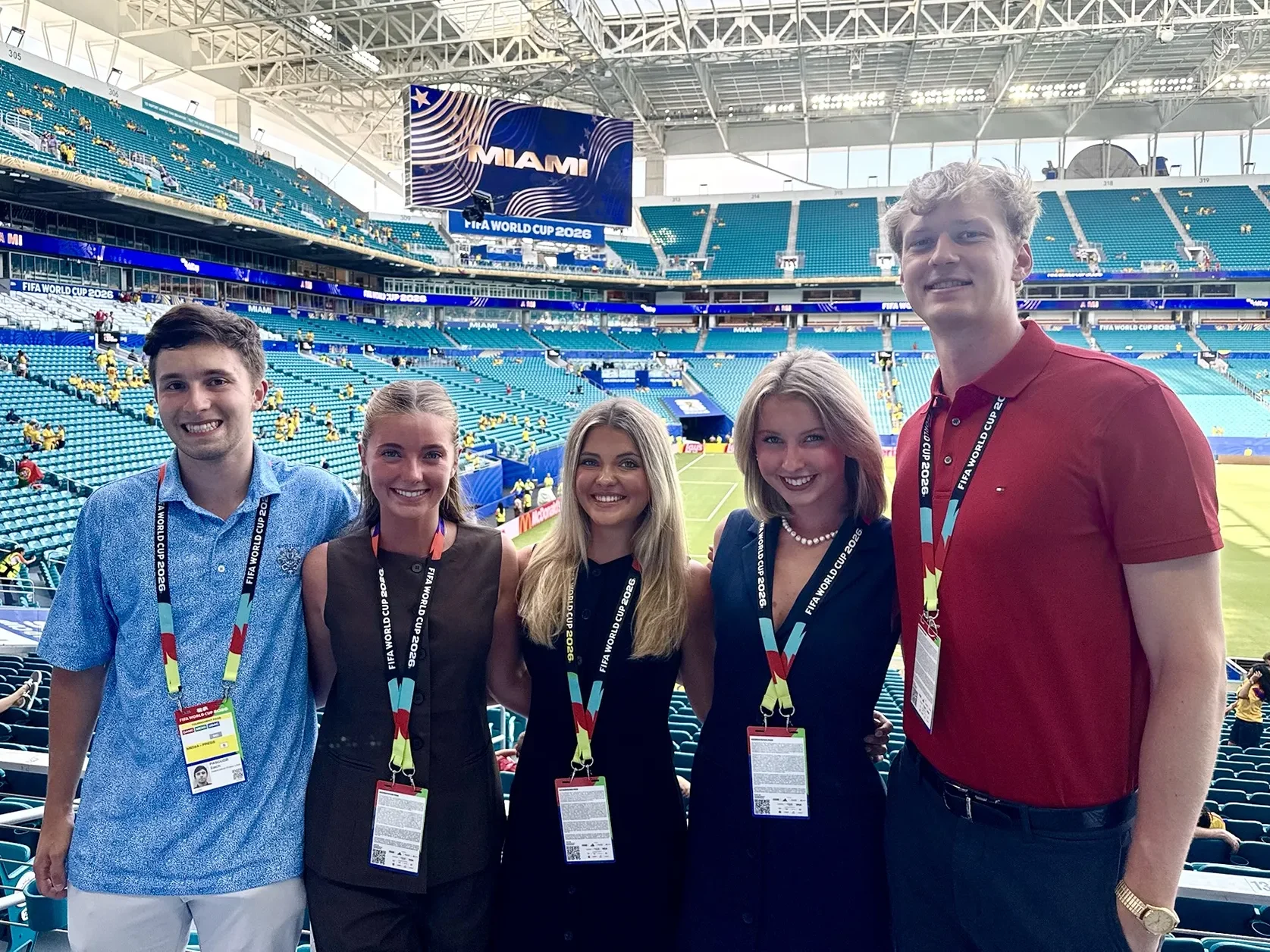
When Katie Fryburger stepped into her first World Cup press conference in Miami, she could easily tell that she and a few other students were the youngest people in the room. The intimidation wouldn’t last long, though, when it was time to get to work.
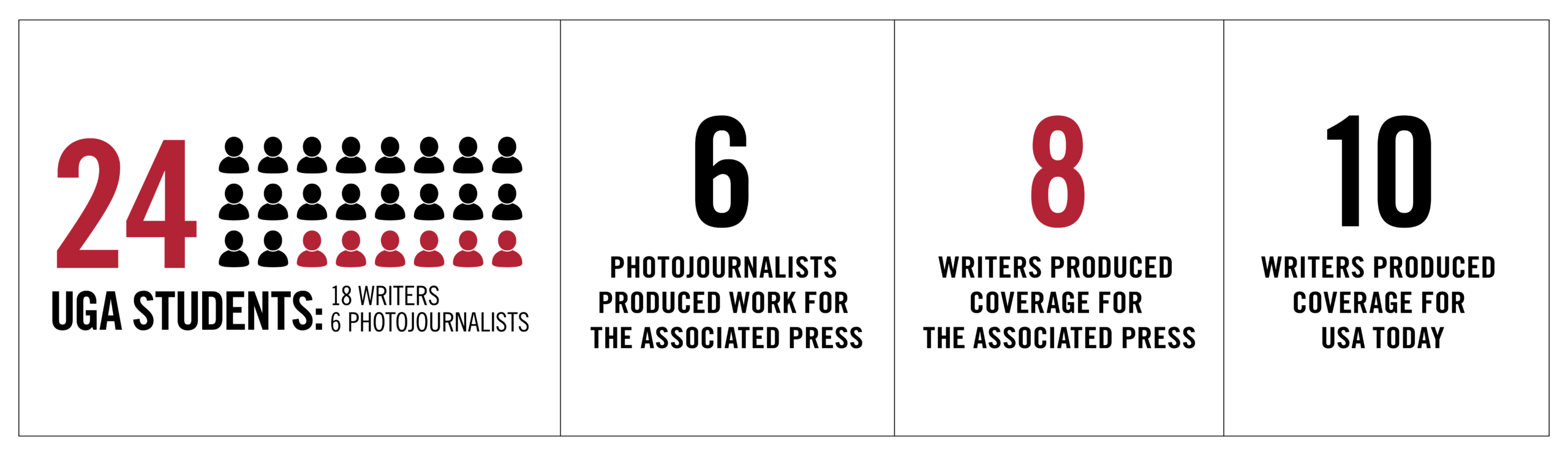
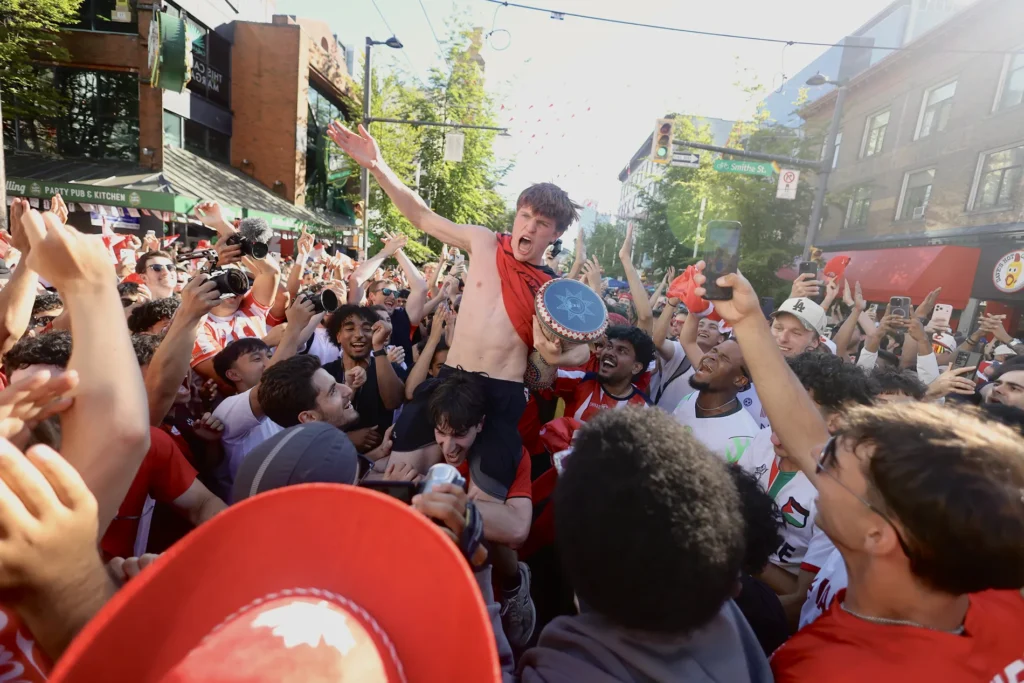
Fryburger, a fourth-year journalism student, was one of 24 University of Georgia Grady College of Journalism and Mass Communication students honing their skills at the world’s largest sporting event, the FIFA World Cup. As credentialed journalists, the students published photos, videos, blogs, and stories for two of the largest media organizations in the country: USA Today and The Associated Press, which also serves a worldwide audience.
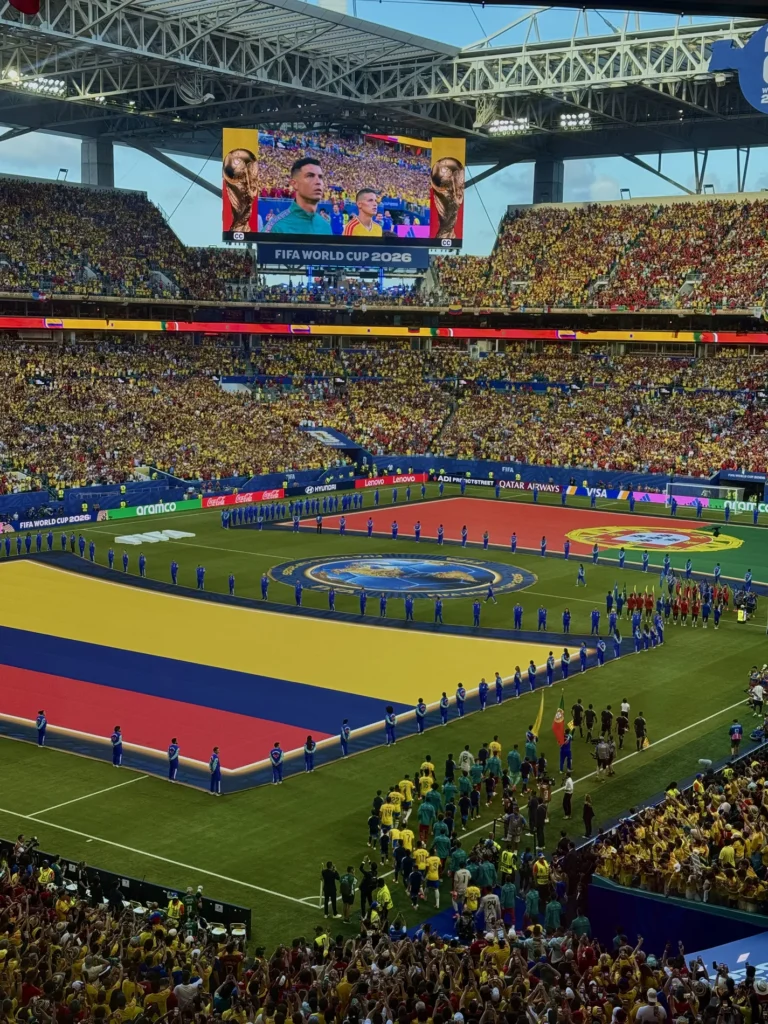
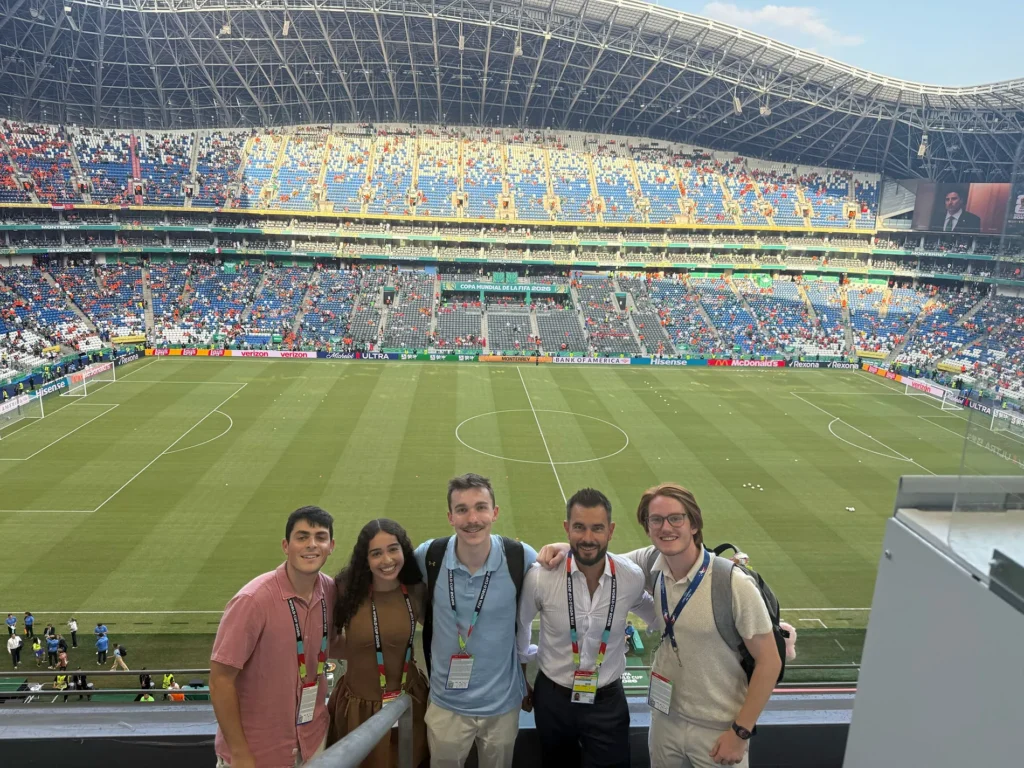
Grady College students covered three knockout-round matches and 18 group play matches in Miami; Vancouver, British Columbia; Mexico City; Seattle; and Monterrey, Mexico. Each group was accompanied by a Grady College professor who served as a mentor and liaison with the media outlets during the three-week program.
“The students really shined, and they all brought amazing energy throughout every minute, every hour, every day.”
Vicki Michaelis,
John Huland Carmical Chair in Sports Journalism and Society
“I honestly think this experience will be what drives my career forward,” says Maya Koluder-Ramirez, a fourth-year public relations student who covered World Cup matches in Monterrey. “To be able to write for the AP and see my features get picked up by major publications and be translated in different languages … I think that’s one of the coolest things.”
Vicki Michaelis, the John Huland Carmical Chair in Sports Journalism and Society, says this was the most ambitious project the Carmical Sports Media Institute has undertaken.
“The students really shined, and they all brought amazing energy throughout every minute, every hour, every day,” Michaelis says.
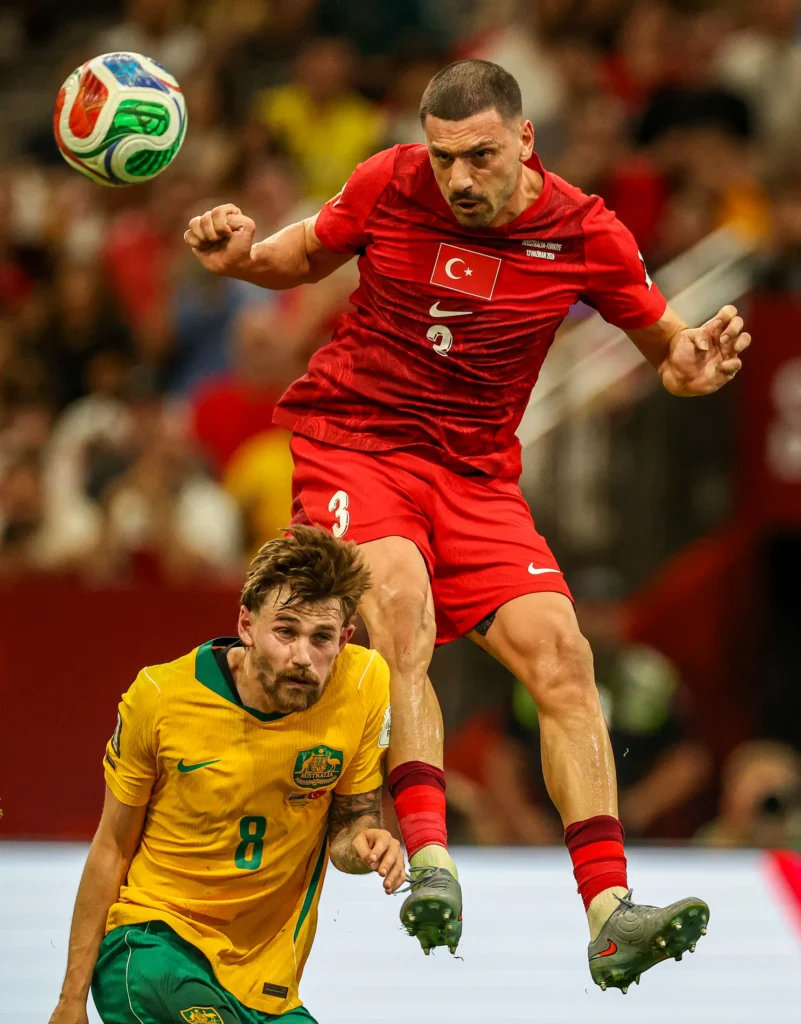
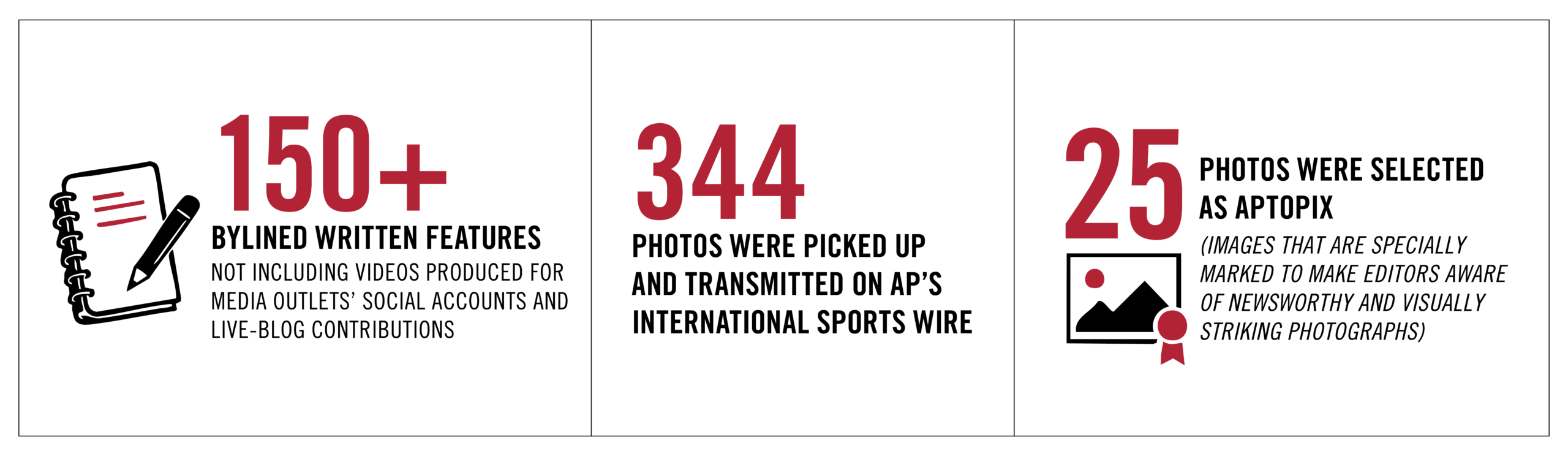
In total, the 18 students assigned to write produced more than 150 clips that were published worldwide. The six photojournalism students filed more than 15,077 images. Nearly 344 images were sent on the AP wire around the world.
Preparation and Professional Interaction
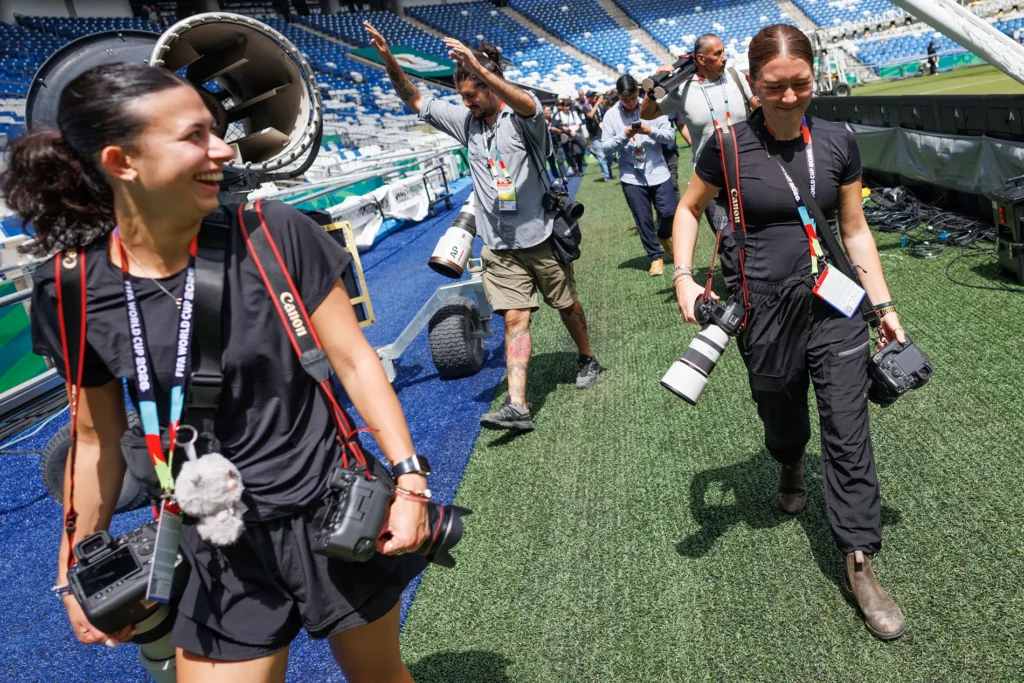
Once the students were selected, they were enrolled in a sports media class where they immersed themselves in soccer, studying World Cup traditions, researching players and teams, and writing case studies about the sport. The photojournalists covered local high school soccer matches to become familiar with the sophisticated camera kits lent to them by Canon.
While covering the World Cup, one of the biggest benefits for UGA’s sports media students was the interaction with experienced professionals.
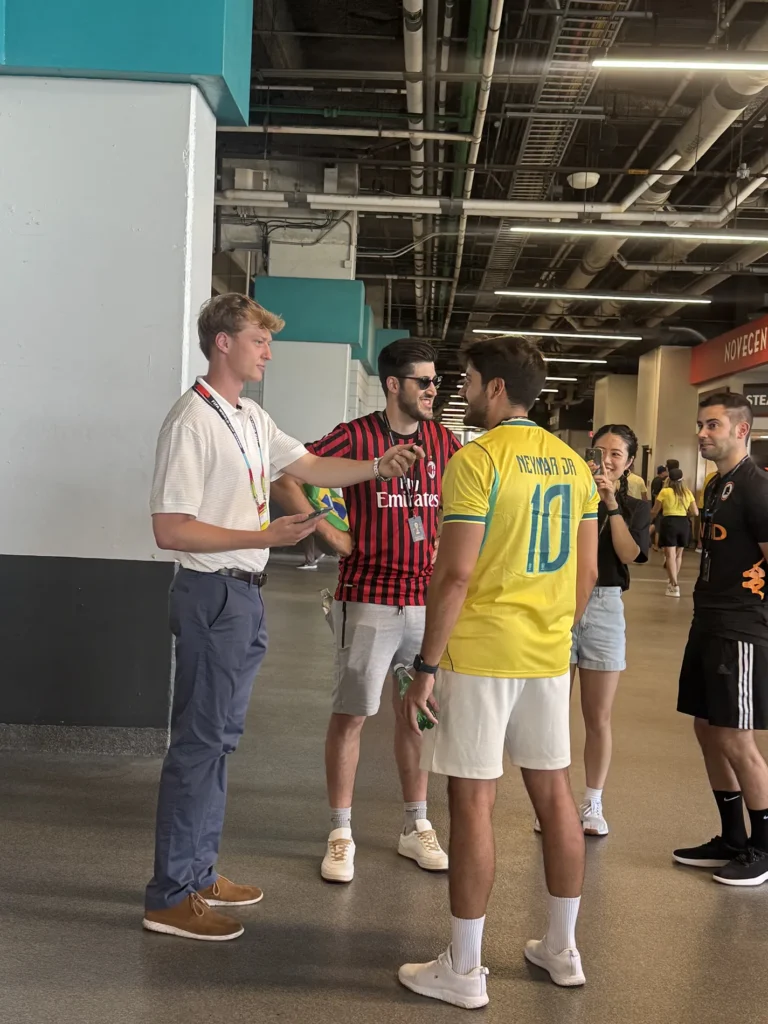
Some journalists gave the students inside information on where teams were practicing, while others allowed the students to move up front to get a better view in the mixed zone, where the athletes pass through for interviews. Like all other credentialed journalists, the students asked questions during press conferences and covered matches from press boxes and press tribunes, which are temporary seating areas in the stands.


Shared Experiences
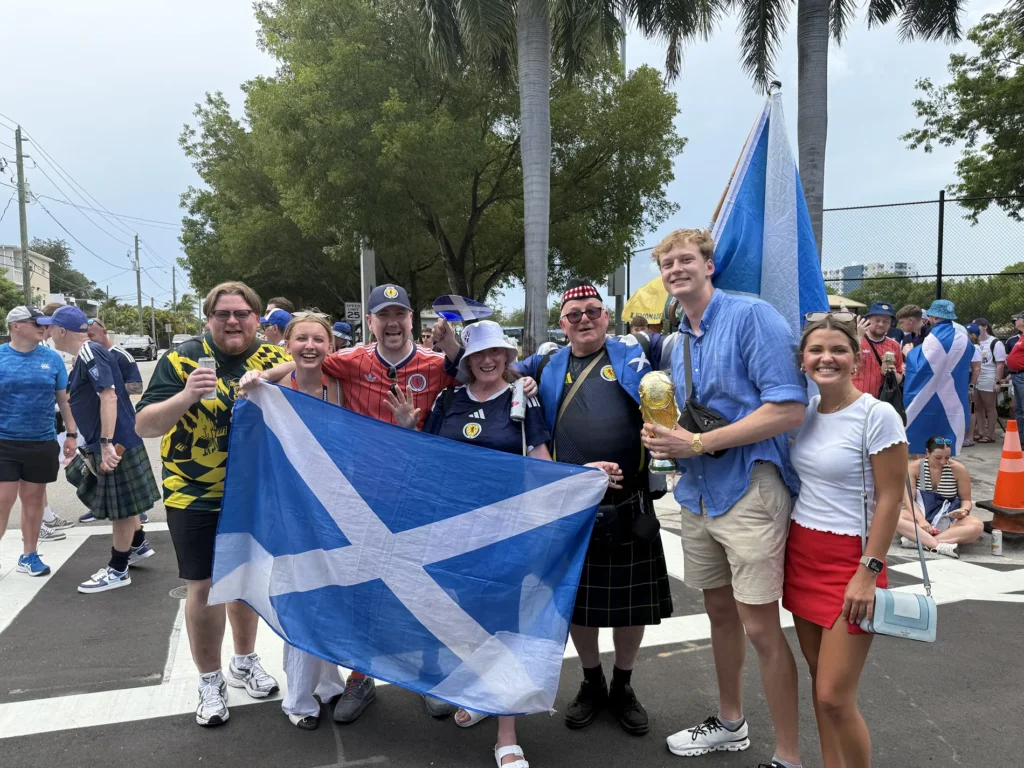
Each location offered students distinct experiences with fan cultures and local traditions. While the Miami group enjoyed Cuban sandwiches on South Beach and joined the Scottish Tartan Army for a spirited march, the Vancouver group enjoyed Shawarma sandwiches from street vendors and walks in the scenic Stanley Park.
No matter the location, students formed close bonds as they worked together through long days sharing experiences over breakfasts and late dinners.

Building on a Model
The World Cup is the latest experiential learning opportunity for UGA sports media students. Other students have attended the 2023 Women’s World Cup in Australia, the 2024 Paralympics in Paris, and NCAA March Madness in 2025 and 2026.
In fact, the Carmical Sports Media Institute is built on providing real-world opportunities.
“Sitting in a classroom will never replicate those World Cup experiences,” says Mark E. Johnson, the John G. Alston, Sr., Professor of Sports Media.
These opportunities are supported by the Carmical Foundation, which provides funds for lodging and ground transportation.
“Our goal is to make this accessible to everyone and for there to be no financial barriers to students being able to access it,” Michaelis says. “This is the kind of opportunity that really goes beyond just going to another country, because it does so much for them and their development as journalists and as storytellers. It helps them build a network and build confidence that they can operate in these chaotic, tight deadline situations.”
With adrenaline still flowing, many of the students returned and enjoyed the final World Cup matches from home.
“I just think the rush of it was so awesome getting to do what I love,” says Sofia Yaker, who took pictures in Monterrey.


World Cup by the Numbers
Written by: Sarah Freeman
Photography: Submitted
Design by: Kaiya Plagenhoef